Red light therapy has emerged as one of the most researched and backed wellness interventions in recent years, with a growing body of scientific evidence supporting its effectiveness for recovery, performance, and overall health. Understanding the mechanisms behind how light influences our biology can help you make informed decisions about incorporating this technology into your wellness routine.
How Red Light Interacts With Your Cells
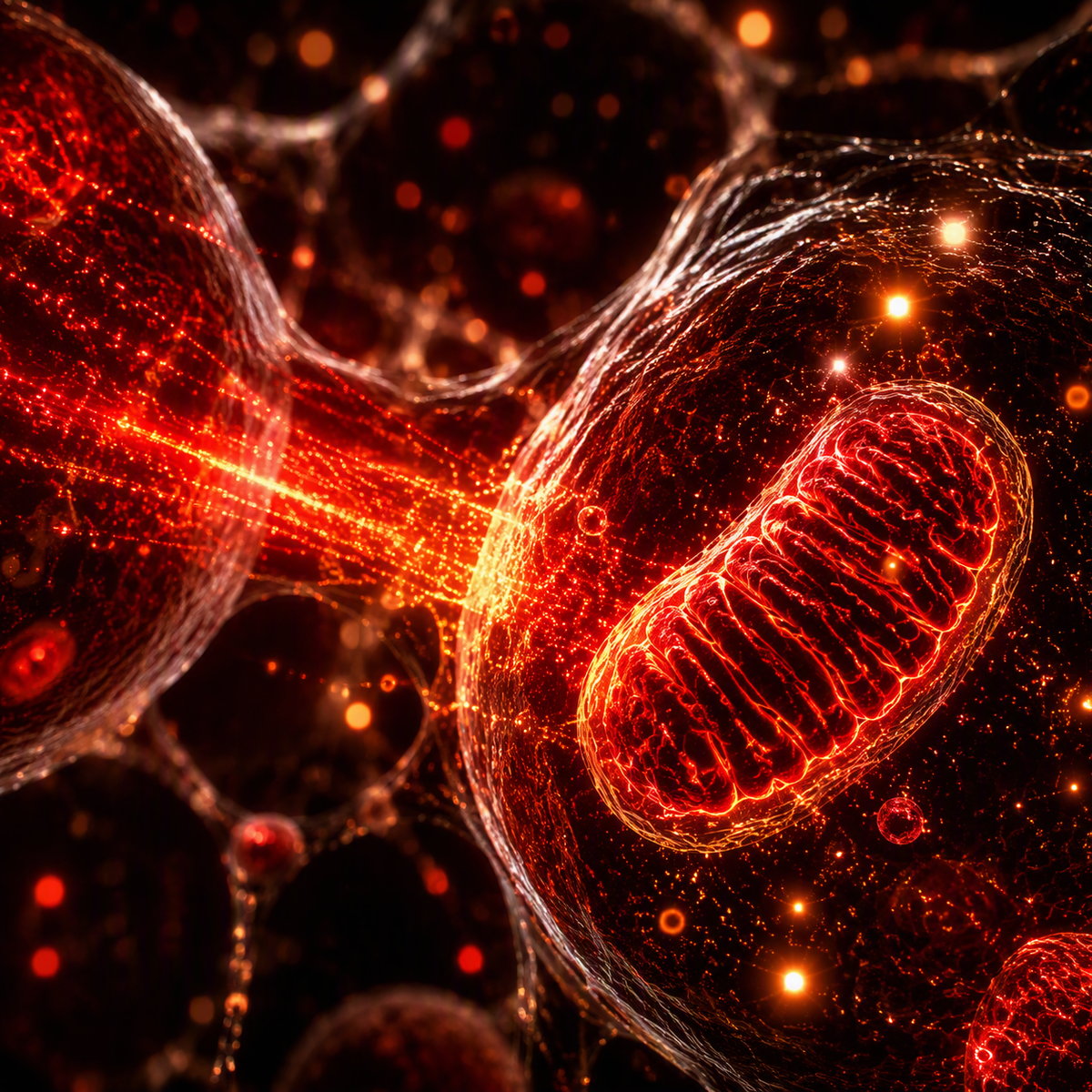
Red light therapy works at the cellular level, specifically targeting mitochondria—the energy-producing powerhouses of your cells. When red and near-infrared wavelengths (typically between 600 and 1000 nanometers) penetrate the skin, they are absorbed by a molecule called cytochrome c oxidase, a critical enzyme in the electron transport chain within mitochondrial membranes.
This interaction stimulates the production of adenosine triphosphate (ATP), the primary energy currency of cells. Essentially, red light helps your cells produce more energy more efficiently. When cells have abundant ATP, they function better, recover faster, and are better equipped to perform their specialized tasks—whether that's muscle repair, skin regeneration, or immune function.
The Role of Mitochondrial Function
Mitochondrial dysfunction is implicated in numerous age-related conditions and performance plateaus. As we age, our mitochondria naturally become less efficient at producing energy, which contributes to fatigue, slower recovery, and reduced physical performance. Red light therapy has been shown in studies to enhance mitochondrial efficiency, helping to restore cellular energy production to more youthful levels.
This mechanism explains why red light therapy appears effective across such diverse applications—from athletic recovery to skin health to cognitive function. Any process that relies on cellular energy production stands to benefit from improved ATP availability.
Inflammation and Circulation
Beyond ATP production, red light therapy influences several downstream biological processes. Research indicates that red light exposure reduces inflammatory markers and promotes healthy circulation. By improving blood flow, red light therapy helps deliver oxygen and nutrients more efficiently to tissues while supporting the removal of metabolic waste products.
Enhanced circulation is particularly valuable for recovery. After intense physical activity or injury, tissues require optimal nutrient delivery to repair and rebuild. Red light therapy accelerates this process by supporting the body's natural inflammatory response—not by suppressing inflammation entirely, but by helping manage it within a healthy, constructive range.
Collagen and Connective Tissue Support
One of the most well-documented applications of red light therapy is skin health and collagen production. Red light stimulates fibroblasts—cells responsible for producing collagen and elastin—leading to improved skin texture, reduced appearance of fine lines, and enhanced skin firmness. This isn't a surface-level effect; the light penetrates deeply enough to influence the structural proteins that keep skin resilient and youthful.
The same mechanism benefits other connective tissues throughout the body, including tendons, ligaments, and muscle fascia. Athletes and active individuals often use red light therapy to support joint health and accelerate recovery from training stress.
Muscle Recovery and Performance
Studies have consistently shown that red light therapy can reduce exercise-induced muscle damage and soreness while supporting faster recovery between training sessions. By enhancing ATP production and reducing oxidative stress, red light helps muscles repair more efficiently. Athletes using red light therapy often report improved performance metrics and reduced recovery time, allowing for higher training frequency and intensity.
The benefits extend beyond acute recovery; regular red light therapy use has been associated with improved muscular strength and endurance over time, likely due to cumulative improvements in mitochondrial function and cellular efficiency.
The Importance of Wavelength and Dosage
Not all light is equally effective for therapeutic purposes. The science is highly specific regarding wavelength. Red light (around 630–700 nanometers) and near-infrared light (around 700–1100 nanometers) are the most researched and effective ranges. These wavelengths penetrate tissue effectively while being absorbed efficiently by chromophores in the mitochondria.
Dosage also matters significantly. Too little light won't trigger a meaningful therapeutic response, while excessive exposure won't provide additional benefits and may potentially cause diminishing returns. Most research supports consistent, moderate exposure—typically in the range of 600–1200 joules per square centimeter over a week—as optimal for supporting wellness goals.
Safety and Evidence Base
Red light therapy has an excellent safety profile. Unlike UV light, red and near-infrared wavelengths don't cause DNA damage or pose the risks associated with sun exposure. Thousands of peer-reviewed studies across multiple disciplines—from sports medicine and dermatology to neurology and orthopedics—support its use for various applications. Professional athletes, physicians, and wellness practitioners increasingly recommend red light therapy as part of integrated recovery and longevity protocols.
The scientific foundation continues to expand as researchers investigate emerging applications and refine our understanding of optimal dosing and frequency for specific health goals. What began as laboratory observation of light's effects on cellular energy has evolved into a clinically validated wellness modality backed by rigorous science.


コメントを書く
このサイトはhCaptchaによって保護されており、hCaptchaプライバシーポリシーおよび利用規約が適用されます。