Red light therapy has emerged as one of the most effective recovery tools for fitness enthusiasts and athletes. If you're looking to optimise your post-workout routine, understanding how red light therapy works and its measurable impact on recovery can help you train harder and bounce back faster.
How Red Light Therapy Supports Muscle Recovery
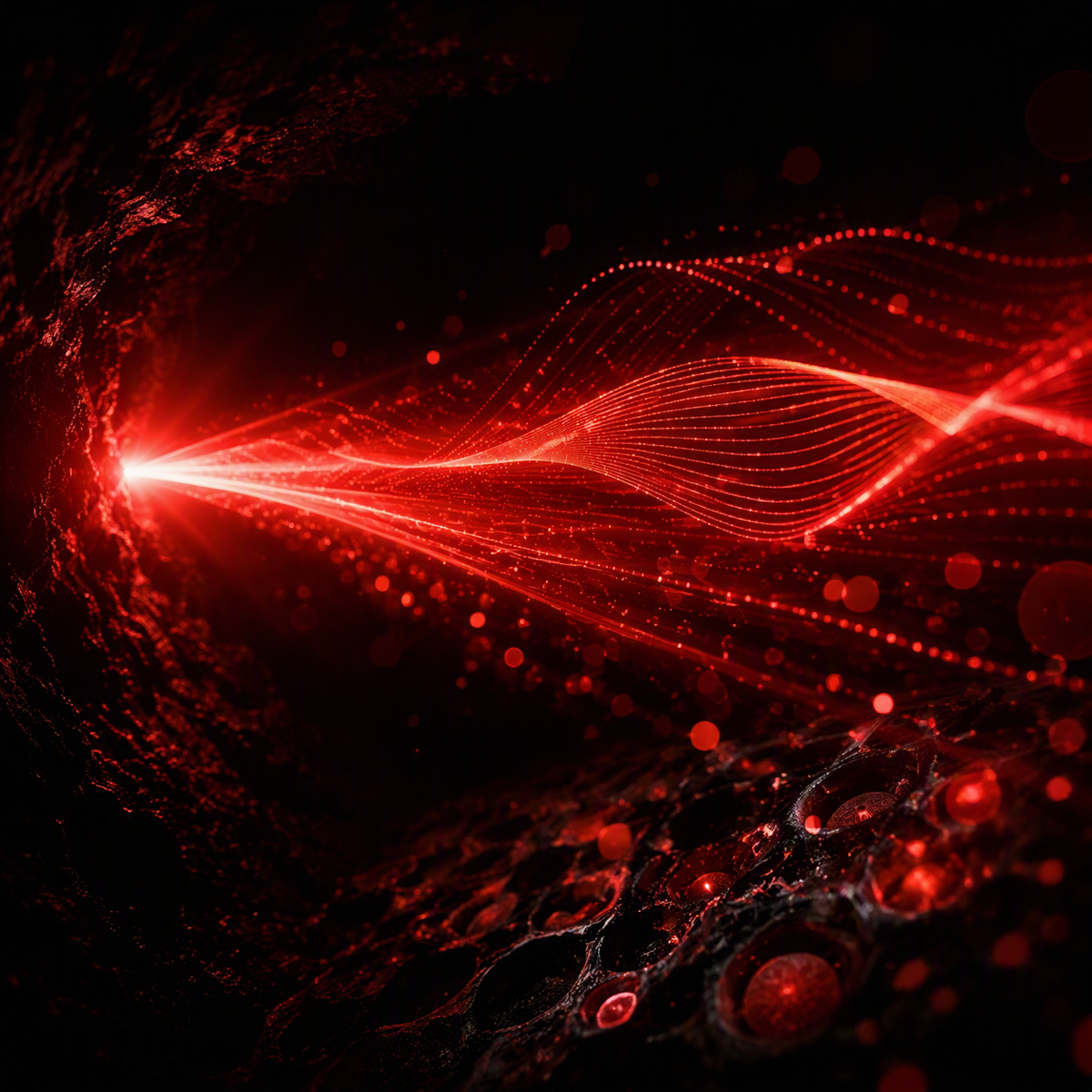
Red light therapy operates at the cellular level, stimulating mitochondrial function and increasing ATP production—the energy currency your cells use to repair and rebuild. After an intense workout, your muscles experience micro-tears and metabolic stress. Red light wavelengths (typically 600–700 nanometres) penetrate the skin and underlying tissue, accelerating the healing process and reducing inflammation in the affected areas.
This process helps your body transition more efficiently from the catabolic (breakdown) state induced by exercise into the anabolic (building) state where actual recovery and adaptation occur. The result is faster tissue repair and less prolonged muscle soreness.
Reducing Delayed-Onset Muscle Soreness (DOMS)
One of the most noticeable benefits of post-workout red light therapy is a reduction in DOMS—that familiar stiffness and aching you feel 24–72 hours after a challenging session. By promoting blood flow and reducing inflammatory markers, red light therapy can significantly diminish this soreness, allowing you to return to training sooner without compromising quality.
Many users report feeling noticeably less achy the morning after treatment, which translates to improved training consistency and better long-term progress.
Enhanced Circulation and Oxygen Delivery
Red light therapy increases nitric oxide production, a molecule that relaxes blood vessel walls and improves circulation. Better blood flow means more oxygen and nutrient delivery to fatigued muscles, accelerating waste product removal and supporting the recovery process. This is particularly valuable immediately after training, when your body is primed to absorb and utilise recovery support.
Inflammation Management
While some inflammation is necessary for adaptation, excessive inflammation can delay recovery and increase injury risk. Red light therapy helps modulate the inflammatory response by influencing cytokine production and immune signalling. This balanced approach supports healing without prolonging the inflammatory phase unnecessarily.
Improved Sleep Quality
Recovery happens largely during sleep, and red light therapy can support better sleep architecture. Exposure to red light may help regulate circadian rhythm disruptions caused by intense training schedules, and it avoids the blue-light suppression of melatonin that many recovery devices inadvertently cause. Better sleep means more growth hormone release and deeper tissue repair overnight.
How to Integrate Red Light Therapy Into Your Recovery Routine
For maximum benefit, use red light therapy within 30–60 minutes post-workout, directing the device at the muscles that did the most work. Sessions typically last 10–20 minutes, depending on device power and your proximity to the light source. Consistency matters—daily or near-daily use will yield more noticeable results than sporadic sessions.
Red light therapy pairs well with other recovery modalities like stretching, foam rolling, and proper nutrition. Many athletes use it alongside massage or infrared sauna sessions for a comprehensive recovery protocol.
Why Red Light Therapy Stands Out
Unlike ice baths or compression garments, red light therapy is non-invasive, requires no special preparation, and can be integrated into your routine without discomfort. It's backed by peer-reviewed research and is used by professional athletes, strength coaches, and physiotherapists across elite sports programmes.
Investing in a quality red light therapy device is an investment in your training capacity. By supporting faster, more complete recovery, you're enabling yourself to train more frequently and with greater intensity—accelerating your results over time.

Berikan komentar
Situs ini dilindungi oleh hCaptcha dan berlaku Kebijakan Privasi serta Ketentuan Layanan hCaptcha.