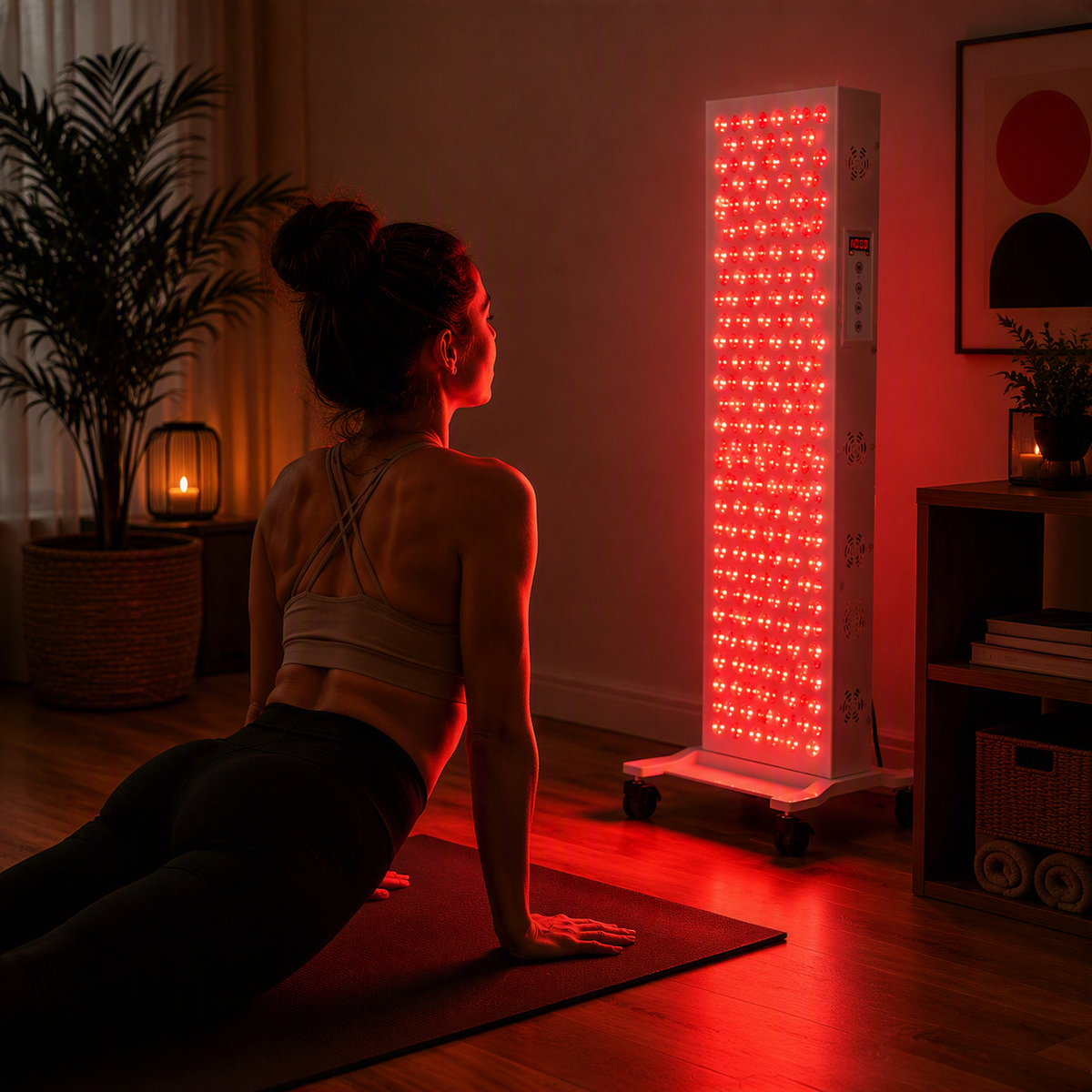
Red light and near infrared light therapy have emerged as one of the most scientifically-backed recovery modalities available to consumers. Whether you're an athlete looking to optimise performance, someone managing chronic pain, or simply seeking better sleep and skin health, light therapy offers tangible benefits backed by decades of research.
How Red and Near Infrared Light Work
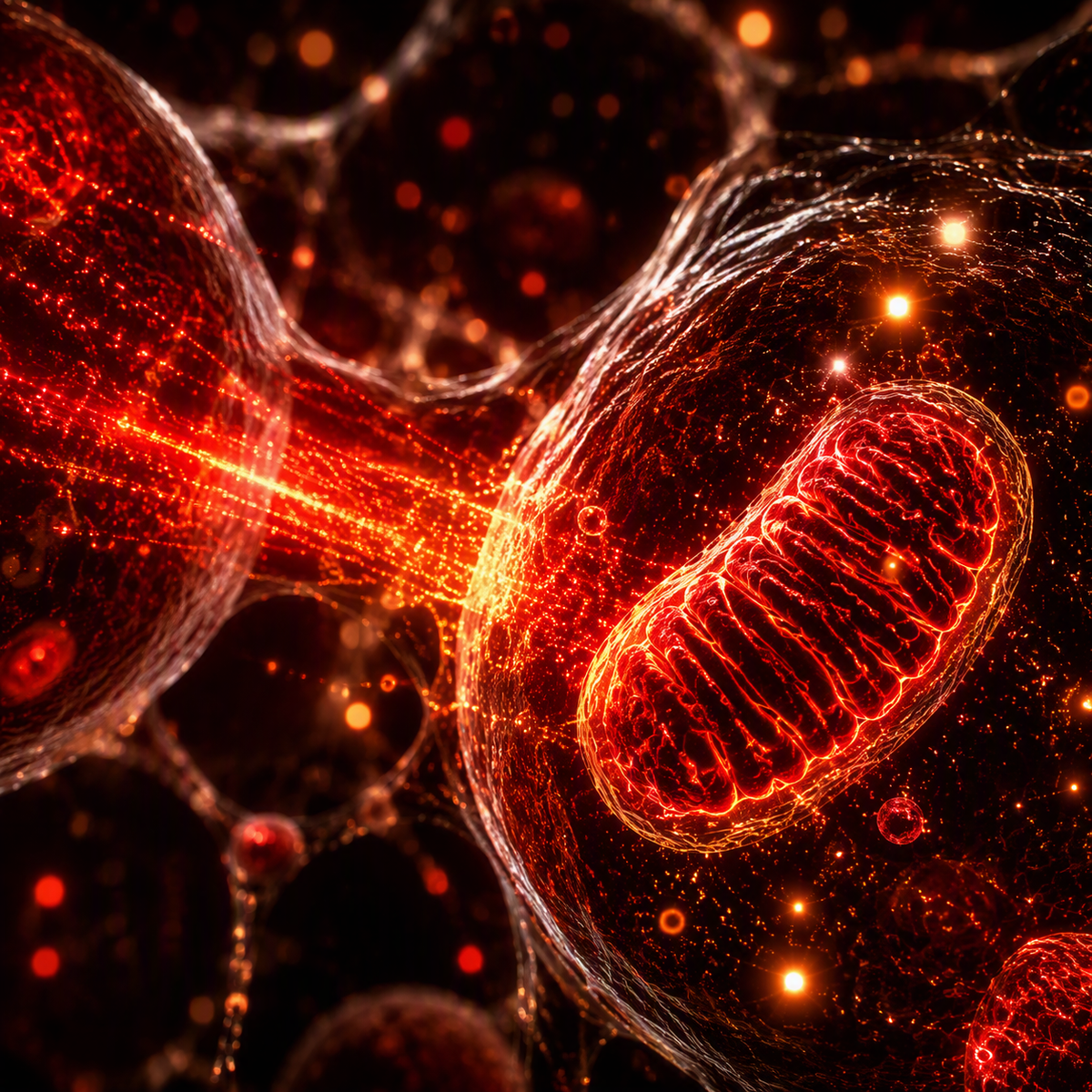
Red light (wavelengths between 600–700 nanometers) and near infrared light (700–1100 nanometers) penetrate the skin and reach the mitochondria—the energy powerhouses of your cells. Here, they stimulate the production of ATP (adenosine triphosphate), the molecule responsible for cellular energy. This process, called photobiomodulation, triggers a cascade of healing responses throughout your body without heat or UV damage.
The difference between the two is simple: red light is visible to the naked eye and works primarily at the skin surface, while near infrared penetrates deeper into muscle tissue and bone. Most effective therapy combines both wavelengths for comprehensive results.
Accelerated Muscle Recovery and Performance
Athletes and fitness enthusiasts report faster recovery times after intense training when using red and near infrared light therapy. The increased ATP production helps muscles repair microtears more efficiently, reducing soreness and enabling more frequent, higher-quality workouts. Some studies suggest reduced inflammation markers and improved blood flow to fatigued muscles within hours of treatment.
This makes light therapy particularly valuable for anyone following a demanding training schedule or managing the physical demands of sport.
Pain Management and Joint Health
Chronic pain sufferers—whether from arthritis, tendonitis, or general joint wear—often experience significant relief with consistent light therapy. The anti-inflammatory effects reduce swelling and irritation, while improved cellular energy supports the body's natural repair processes. Many users find they can reduce reliance on pain medication or manage symptoms more effectively when light therapy is part of their routine.
Sleep Quality and Circadian Rhythm Support
Red light therapy influences melatonin production and supports healthy circadian rhythms. Evening exposure to red light (particularly near infrared) may help regulate sleep-wake cycles without the disruptive blue light exposure that suppresses melatonin. Better sleep translates directly to improved recovery, immune function, and daytime energy levels.
Skin Health and Collagen Production
Light therapy stimulates fibroblast activity, increasing collagen and elastin production. Regular use is linked to improved skin texture, reduced appearance of fine lines, and faster healing of minor skin concerns. The mechanism is the same as with muscle recovery—enhanced cellular energy supports the body's natural renewal processes.
Mental Health and Mood Support
Emerging research suggests red light therapy may support mood and mental resilience, particularly for individuals affected by seasonal patterns or low mood. The cellular energising effect appears to influence neurotransmitter function, making it a valuable complement to other wellness practices.
Making Light Therapy Part of Your Routine
Consistency matters most with light therapy. Daily or near-daily sessions, typically 10–20 minutes depending on device intensity, yield the strongest results. Many people integrate therapy into existing routines—post-workout recovery, evening wind-down, or morning energy rituals—to build sustainable habits.
The key is investing in a quality device with proven wavelengths and appropriate power output. Professional-grade red and near infrared light therapy devices deliver measurable results without the guesswork of consumer-grade alternatives.
Whether your goal is faster athletic recovery, pain management, better sleep, or improved skin health, red and near infrared light therapy offers a non-invasive, evidence-backed path to sustainable wellness. The investment in a reliable device is an investment in your body's own healing capacity.

Leave a comment
This site is protected by hCaptcha and the hCaptcha Privacy Policy and Terms of Service apply.